vForth
What is vForth?
vForth is a Forth system I have been developing since 1990, specific for ZX Spectrum 48K, ZX Spectrum Next, and their emulators.
The project has two main branches:
- vForth – the old 48K core system
- vforth-next – optimized version and tools specifically for the ZX Spectrum Next
Gallery
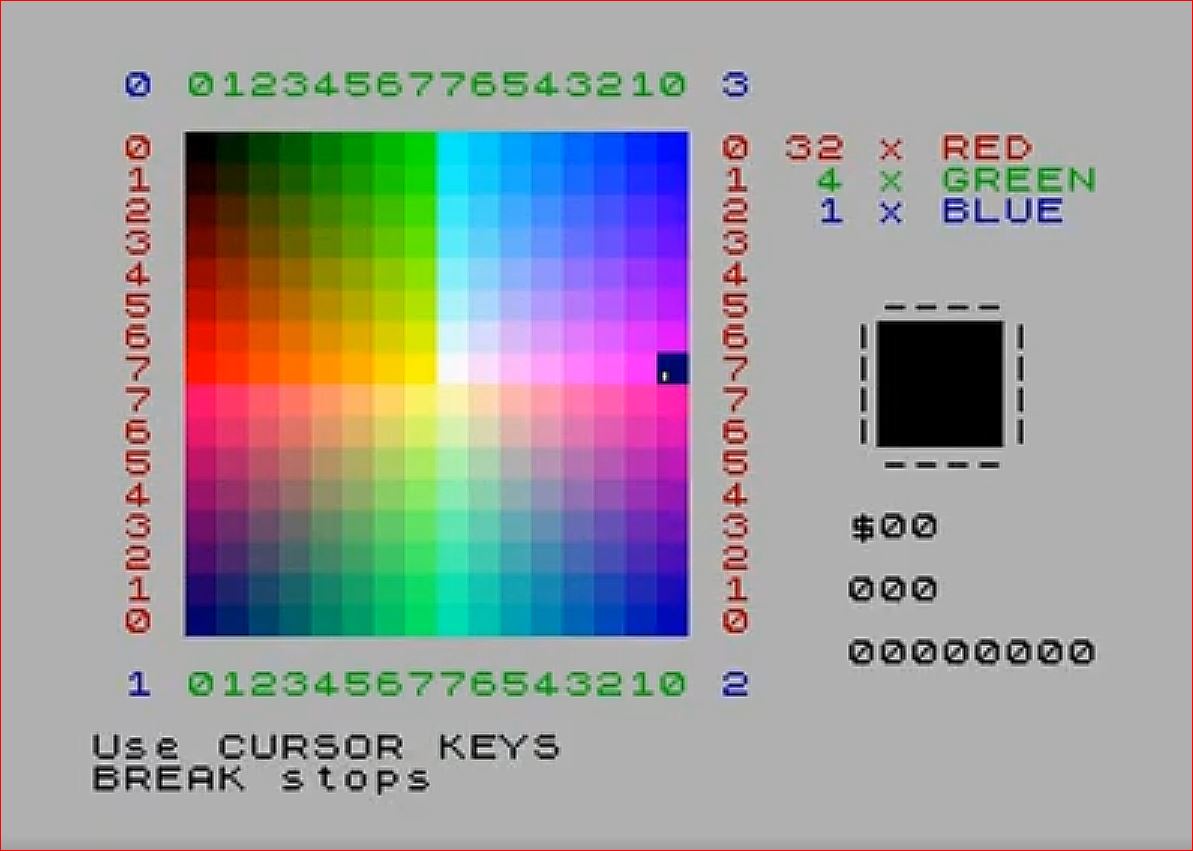
Layer 2 Color Picker – Mouse-driven palette explorer with interrupt support
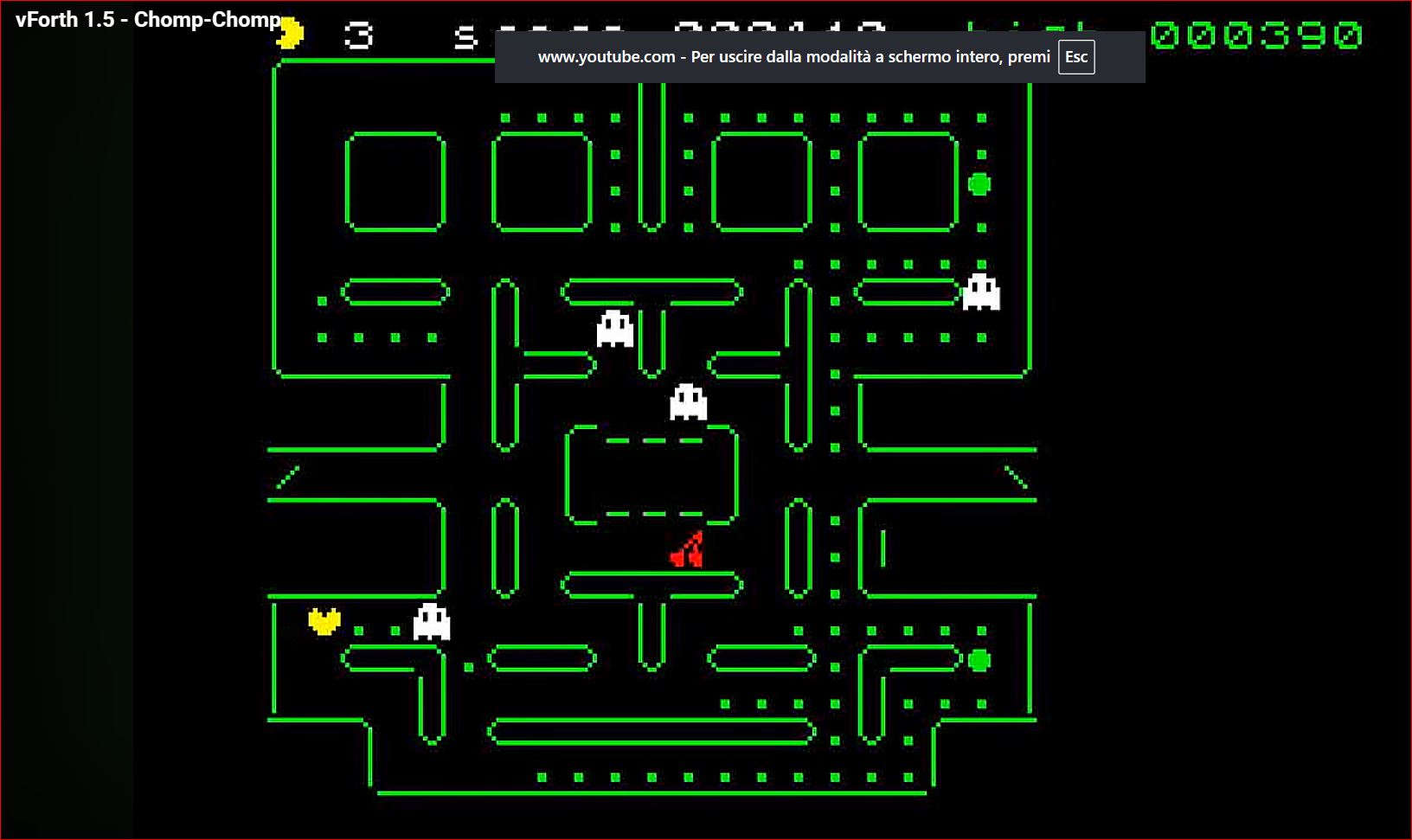
Chomp – Pac-Man style game (Screens #600–670)
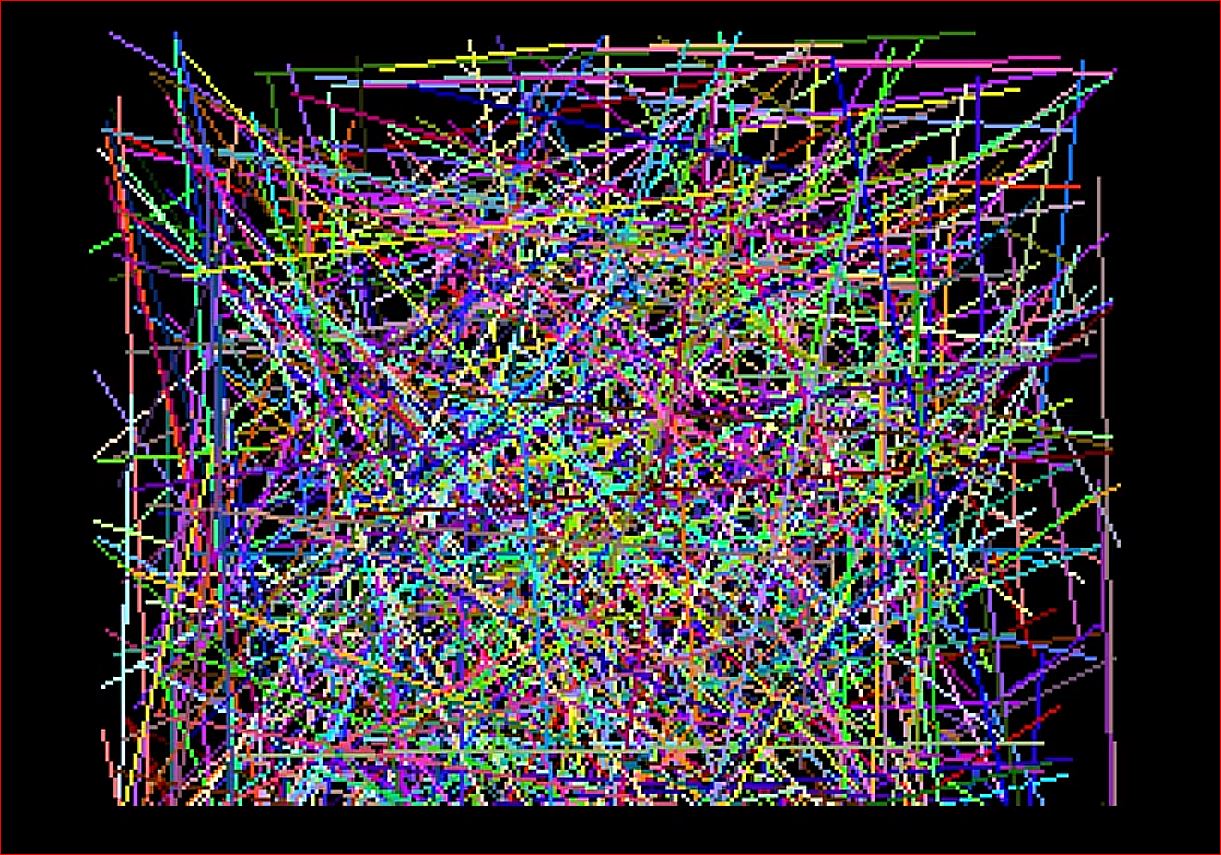
Layer 2 Graphics Demo – Transitions and effects using Z80N instructions
Other Notable Examples
- IM2 Interrupt Handling
- Fast Random Number Routines
- File I/O with NextOS
- Advanced Forth techniques (
DEFER/IS,<BUILDS...DOES>)
Many of these examples are available in the repository and were first demonstrated in the Facebook group or on YouTube.
Key Features
- Support for block-based and file-based I/O
- ANS Forth (almost) compliant with many extensions
- Fast inner interpreter (Direct Threaded Code on supported architectures)
- Built-in assembler for Z80 / Z80N (Spectrum Next)
- Small memory footprint – ideal for constrained environments
- Interactive development environment with full REPL
- Modular design – easy to add new words and libraries
- Documentation and source code included in the repo
vforth-next for ZX Spectrum Next
This is the most actively developed branch. It takes full advantage of the ZX Spectrum Next hardware:
- Z80N instruction set support (extended opcodes)
- Layer 2 graphics mode support
- Tilemap and sprite engine integration
- DMA and copper support
- NextOS file system access
- Sound (AY and TurboSound FM) primitives
- Easy integration with popular Spectrum Next tools (CSpect emulator, etc.)
Z80N Instruction Support (Expanded)
The built-in assembler vocabulary fully recognises and supports the complete Z80N extended instruction set of the ZX Spectrum Next FPGA core.
This gives you direct access to powerful new opcodes that are not present on a classic Z80:
- 16-bit immediate arithmetic:
ADD HL/DE/BC,nn,ADC/SUB/SBC HL/DE/BC,nn - 8-bit multiply:
MUL(unsigned 8×8 → 16-bit result) - Enhanced bit and nibble operations:
SWAPNIB,MIRROR A,PIXELAD,PIXELDN - Next-specific helpers:
SETA,TEST,LD (HL),nnnn(extended immediate load), new rotate/shift variants - Improved control-flow instructions and several undocumented Z80 behaviours now officially supported
These instructions are available directly in the Forth-style assembler notation (e.g. MUL, ADDHLNN, SWAPNIB, etc.).
They allow significantly faster code for:
- graphics routines (Layer 2, sprites, tilemaps)
- sound and copper list handling
- math-heavy or performance-critical inner loops
Thanks to full Z80N support, vforth-next can produce code that runs noticeably faster than classic Z80 Forth systems on the same hardware.
Current Status (April 2026)
- Core engine stable and actively used
- Regular updates for new Spectrum Next firmware features
- Growing library of example programs and utilities
- Open source under MIT license
Active Community
Most of my latest updates, discussions, bug reports, and user questions about vForth-Next happen in the Facebook group I administer:
Forth on the ZX Spectrum, Next and 48K
This is currently the most active place for:
- Real-time help and questions about vForth
- Sharing demos and code
- Discussions about ZX Spectrum Next hardware integration (Layer 2, sprites, DMA, sound, etc.)
- Announcements of new vForth releases
You are welcome to join and participate — everyone interested in Forth on Spectrum machines is invited.
Links
Feedback and contributions are always appreciated, whether on GitHub or in the group. If you are interested in Forth, retro computing, or the ZX Spectrum Next, feel free to explore the code, try the system, or contribute ideas.
Code Examples & Demos
Over the years I have shared many practical examples and small demos in the community. Here are some of the most useful ones:
Highlighted Demos & Code Snippets
-
Layer 2 Color Picker (with interrupt-driven mouse support)
A practical tool to explore Layer 2 graphics and palette handling in vForth. -
Chomp (Pac-Man style game)
Classic demo using Screens #600–670. Load with600 LOADthen typeGAME. -
IM2 Interrupt Example
Shows how to handle interrupts cleanly in vForth on the Spectrum Next. -
Random Number Generation (16-bit and fast routines)
Discussed in my “Programming the 80’s way” series with efficient implementations. -
Layer 2 Graphics Routines (drawing lines, screen wipes using Z80N LDIRX, etc.)
-
File Handling & NextOS Integration examples (
SAVE-BYTES,OPEN<, directory access) -
DEFER / IS usage and
<BUILDS...DOES>patterns
Many of these started as discussions or code blocks I posted in the Facebook groups and were later refined in the repository.
Where to Find Them
- vforth-next Repository — Main source with examples in the
docfolder and block screens - My YouTube Channel @mttsteel — Short demo videos (Color Picker, Chomp, IM2 interrupts, etc.)
- SpecNext Developer HQ – Forth Articles — In-depth articles with code explanations (“Programming the 80’s way” series)
- Facebook Group I Administer — Many additional code snippets, release notes, and real-time help discussions (search for “Color Picker”, “Chomp”, “Screen #520”, “Screen #600”, etc.)
More examples are regularly added to the GitHub repository and discussed in the group.
Want to get started?
Clone the repository, or download the most recent .zip archive in the “download” section and follow the instructions in the README. There is a group of Wiki pages too.
Feedback and pull requests are always welcome!